
TREATMENTS
How Laser Treatment Works
- Lasers emit a concentrated beam of light at a specific wavelength that is absorbed by the target tissue.
- The light energy is converted to heat, which can cut, destroy, or stimulate the target tissue.
- Different types of lasers are used for specific purposes based on their wavelength and intensity.
Benefits of Laser Treatment
- Precise targeting of specific tissue without damaging surrounding areas.
- Reduced pain, bleeding, and scarring compared to traditional surgery.
- Faster recovery time in many cases.
- Improved appearance of skin conditions and rejuvenated complexion.
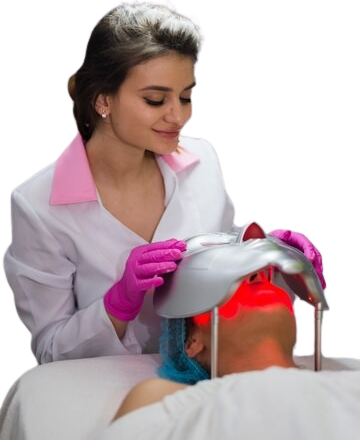
Types of Lasers Used
Carbon dioxide (CO2) lasers: Remove thin layers of skin for treating skin cancers and precancerous cells.
Neodymium-doped Yttrium Aluminum Garnet (Nd: YAG) lasers: Penetrate deeper into tissue and can cause blood to clot quickly.
Argon lasers: Pass through superficial layers of tissue and can be used with photodynamic therapy.
While laser treatment can effectively eliminate existing varicose veins, it does not prevent new ones from developing in the future.Wearing compression stockings, maintaining a healthy weight, and exercising regularly can help reduce the risk of new varicose veins forming.
The procedure works by targeting the affected tissue, either breaking it down, stimulating collagen production, or sealing off problematic veins without damaging surrounding areas. Laser treatments are known for their precision, resulting in less pain, swelling, and scarring compared to traditional surgical methods.
Acne Treatment
E-Light can effectively clear mild to moderate inflammatory Acne and dramatically improve the overlook of your skin. E-Light Acne Treatments utilize a high intensity light source and radio frequency to penetrate through the tissue and destroy acne bacteria quickly and easily.
Treatment may be carried out every two weeks until improvements noted. This treatment is not a cure for Acne but can reduce the number of pustules, papules, redness, enlarged pores and post acne pigmentation associated with active Acne infection and for most clients is a good adjunct to Acne therapy. Depending on the type of skin and acne we may recommend to combine this treatment with a deep cleanse.

Pre-Treatment Advice
- Client must stay out of the sun and avoid tanning beds, self-tanning, tanning drops, or tinting moisturizers for a minimum of 4 weeks prior to the treatment (more if required for the skin to return to its natural colour)
- Do not apply perfumes, deodorants, make-up, aromatherapy oils or any perfumed products to the are to be treated for 24hrs prior to the treatment
- Do not use Retin A, photosensitive medications, steroids 2 weeks before and after the treatment
Photosensitive medications can be anti-histamines, anti-depressants, steroids including asthma inhalers, iron tablets, essential oils applied topically.
Please make your therapist aware of any medication or herbal creams, oils and supplements you are using the day of your consultation and if any changes, the day of your treatment.
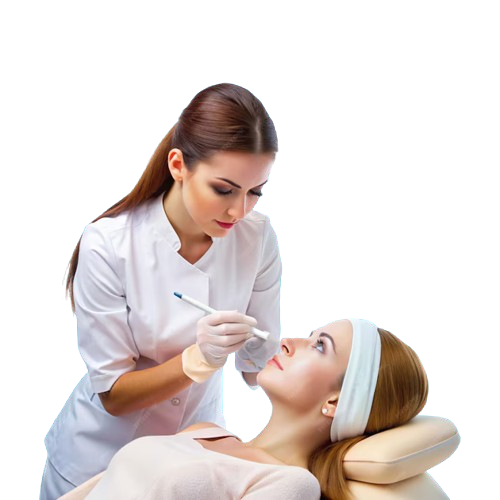
After Acne Treatment
After treatment, patients can expect to see a reduction in acne breakouts as well as an improvement in the overall appearance of their skin. For best results, we recommend a series of three treatments spaced approximately one month apart as optimal results are usually seen after the completion of the full series.
Mild symptoms such as inflammation and redness may occur, but fade over just a few minutes. Your acne may flare for a few days after treatment. You may still continue to use any prescription acne medications simultaneously. Although results are not guaranteed, 90% of patients reported being happy with the results in clinical studies.
It is well known that acne occurs because of inflammation in the pilosebaceous unit hair follicle and sebaceous afand of skin, with spots caused by acne most frequent in regions with the most sebaceous skin, such as the face, upper back, chest, neck, shoulders, and upper arms.
Capillary Reduction
Capillary Reduction Info
Laser therapy for capillary reduction is a relatively painless procedure that causes the vessels to naturally disappear by increasing collagen production.
Vascular capillary removal is the process of using laser energy to target the blood supply within a dilated capillary. The vessel may close in on itself as a result of the capillary wall being collapsed by the laser’s heat. The lymphatic system in your body will naturally eliminate the capillary vessel. Broken capillaries, spider veins (not blue veins), and facial angiomas are the primary targets of our vascular lesion removal procedure.


1 week prior to treatment:
– Avoid prescription topical Vitamin A or Hydroquinone
– Avoid exfoliating products
2 weeks prior to treatment:
– Avoid fake tan, solarium, or tanning drugs such as Melanotan
– Avoid hair removal including electrolysis, waxing, and depilatory use
– Avoid direct sun exposure and ensure daily use of SPF 50

What is a broken capillary? Why does it occur?
Near the surface, the thin veins become larger, broken, and appear as a thin line. Broken capillaries are the thin vessels that have been broken. It is extremely widespread among people. Although it can occur anywhere on the body, it is more prevalent on the legs and face. They mostly affect people with fair skin. Red spots and redness on the face can be caused by these veins, which cause the skin to have a sensitive structure. Capillaries, especially those on the face, can have a negative impact on a person’s psychological well-being.
Broken capillary formation in the face area may be caused by genetic diseases, rosacea, metabolic and rheumatic diseases, excessive estrogen, alcohol use, chronic cortisone use, previous traumas, and skin structure that is sensitive. After nose surgeries, it has been observed that the nose develops capillaries. An increase in capillaries in the legs is also caused by the thickening of these veins over time, the body’s inability to effectively transport blood to the heart, gravity’s effect on blood pooling in the legs, and the inability of the veins to effectively transport blood. Women are more likely than men to develop broken capillaries. An increase in broken capillaries is also triggered by prolonged sitting with drooping legs, excessive standing, and elevated temperature.
Collagen Boost
Collagen boost refers to the various methods and strategies employed to enhance the production of collagen, a vital protein that provides structure, elasticity, and strength to the skin, muscles, bones, and connective tissues. As people age, natural collagen production decreases, leading to signs of aging such as wrinkles, sagging skin, and reduced skin elasticity. To counteract this decline, individuals may turn to dietary supplements, topical treatments, and lifestyle changes that promote collagen synthesis. Key nutrients like vitamin C, zinc, and amino acids are essential for collagen formation, and incorporating foods rich in these nutrients can support the body’s natural collagen production.
Additionally, professional treatments such as micro-needling and laser therapy can stimulate collagen production by creating micro-injuries in the skin, prompting the body to repair and regenerate collagen-rich tissues. Overall, boosting collagen is crucial for maintaining youthful skin and overall connective tissue health. UV rays can significantly damage collagen fibers, leading to premature aging. Regularly applying sunscreen can help protect your skin and maintain collagen levels.
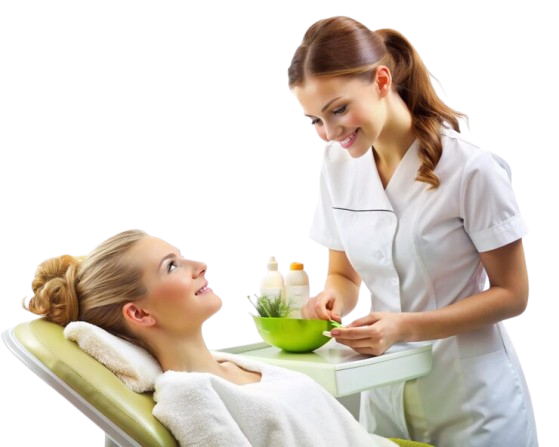
Hair Removal

Men and women of all ages can face difficulties as a result of unwanted hair. Laser hair removal is an advanced and quick way to get rid of unwanted hair permanently so you can always look and feel your best. It eliminates the need to shave and wax continuously, which irritates the skin and causes bumps, allergies, and dark skin. Laser hair removal is a permanent solution that eliminates unwanted hair from your face or any other part of your body without the use of razors, wax, or creams, leaving behind smooth, hair-free skin for life. It is effective and safe enough to be used on any part of the body and is suitable for every skin type, ensuring maximum results in minimum sessions.

How does laser hair removal work?
A common cosmetic procedure, laser hair removal uses laser technology to target and remove unwanted hair. Melanin, the pigment in hair follicles, or the blood supply absorb a concentrated beam of light that is emitted by the process. This light energy is turned into heat, which harms the hair follicles and prevents new hair from growing there. Light energy is converted into heat, which damages the hair follicle, preventing it from producing new hair.
The procedure is typically performed in multiple sessions, as hair grows in cycles, and not all hair follicles are in the same growth phase at the same time. Laser hair removal is suitable for various body areas and is considered safe for most skin types, although it is most effective for individuals with light skin and dark hair due to the contrast that allows the laser to target the hair more effectively. Common side effects may include temporary redness and swelling, but overall, it offers a long-lasting solution for unwanted hair compared to traditional methods like shaving or waxing.
Permanent removal or diminishment of hair
Wherever you want to get rid of body hair, laser hair removal will give you 70%–90% removal of unwanted hair in just six treatments.
Increased confidence
Having or removing body hair is a personal choice, but if you feel best without body hair, you’ll feel more confident after your laser hair removal treatment!
No downtime
After your laser hair removal treatment, you will be able to go back to your normal routine! You shouldn’t experience any irritation that affects your life.
Pearl Resurfacing
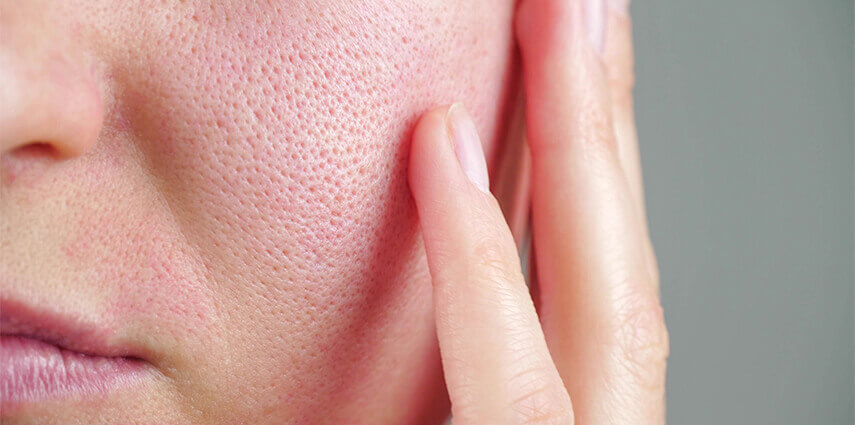
Laser skin resurfacing is a great way to get rid of pigmentation, uneven skin tone, wrinkles, acne scarring, and sun damage all over the body. Skin damage, pigmented spots, coarsening of the texture, dullness, and dullness of the skin can all develop over time as a result of UV rays from the sun and other environmental factors. Lines, wrinkles, and a loss of skin firmness are all signs of collagen depletion as we get older.
All of these signs of aging can be addressed by our amazing, potent, and low-risk Pearl laser resurfacing system. We can effectively transform and rejuvenate your skin with just one treatment, minimizing the appearance of hyperpigmentation, sun spots, acne scarring, sun damage, and lines and wrinkles. Using this ground-breaking laser technology, even the delicate eye area can be treated.
There are two parts to it: Pearl Fractional causes micro-damage within the collagen-rich deeper layers of the skin, triggering new collagen production, while Pearl Laser addresses the more superficial changes. To address the numerous signs of aging on the skin, Pearl and Pearl Fractional can be combined to create Pearl Fusion for a truly impressive outcome.
Pigmentation Removal
Reduce freckles, age spots, and larger patches of discoloured skin with our medical-grade Cynosure Laser Pigmentation Removal.
Laser Pigmentation
Freckles, pigmentation, and post-trauma pigmentation, such as acne scars and age spots, can all be safely and effectively diminished with laser pigmentation removal. Without harming the surrounding skin, the laser only targets the pigmented lesion in the skin that absorbs light. The pigment is broken up and heated by the laser. After that, the pigment is drawn to the surface without harming the tissue below it. The pigmented lesions will fade or dry off the treated area once they are drawn to the surface, leaving the skin with an even tone and complexion.
Melanin, a pigment found in your body, is what gives your eyes, skin, and hair their color. Skin cells with darker skin tend to contain more melanin than skin with lighter skin, but skin imbalances and disorders can cause uneven coloration, patterning, and “blotches.”
Your skin will appear normal and even when its cells are healthy. But more melanin is made to help protect your skin when skin cells get sick or damaged. Alternately, damage to pigment-producing cells can stop melanin from being produced. Thus, portions of your skin might turn lighter (hypopigmentation) or more obscure (hyperpigmentation), the two of which are unmistakable skin conditions. The main topic of discussion on this page is hyperpigmentation’s symptoms.
Skin Tightening
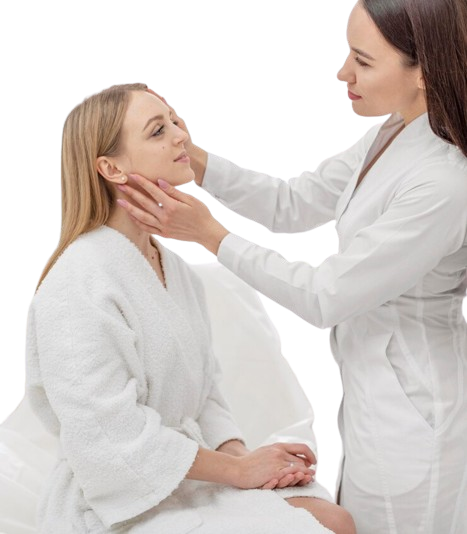
As we age, our skin begins to lose its elasticity and firmness, resulting in the development of wrinkles and sagging. Many individuals consider facelift surgery to address these concerns; however, not everyone is comfortable with undergoing a surgical procedure. Luckily, advancements in aesthetics medicine have introduced non-surgical alternatives to traditional facelifts. A leading aesthetics physician at the Lemonade Clinic in Islamabad, offers two highly effective non-surgical procedures: PDO thread lifting and liquid lift with dermal fillers.
PDO (Polydioxanone) thread lifting is a non-surgical facelift technique that utilizes absorbable threads to lift and tighten the skin. These threads are inserted underneath the skin and gently pulled to provide a lifting effect. The PDO threads stimulate collagen production, which further enhances the skin’s tightening and rejuvenation process. A tiny incision is made, and the PDO threads are carefully inserted under the skin using a fine needle or cannula. Once the threads are in place, they are gently pulled to lift and tighten the skin. The excess threads are then trimmed, and the incision is closed. Unlike traditional facelift surgery, PDO thread lifting is a non-surgical procedure that requires minimal downtime. Patients can typically resume their daily activities immediately after the treatment.
Skin Rejuvenation and Resurfacing
Sun, skin disorders, aging and even heredity can all contribute to skin irregularities on the face and elsewhere on the body. These include textural irregularities like wrinkles and acne scars, pigmentation changes like freckles, sunspots or visible blood vessels. In addition, skin may lose tone, feel less firm and lose the healthy glow that is evident in younger skin.
Different treatment modalities are available to treat the different aspects of skin damage.
Laser resurfacing, mechanical resurfacing, chemical peels and injectable products can improve the appearance of fine lines and wrinkles of the entire face or those that develop in specific regions of the face, such as the upper lip and around the eyes. These treatments can also be used to address pigmentation disorders, such as sun and age spots, and they can be used to improve the appearance of acne scars or other skin conditions.
Note: Combo deals are available for purchase in advance. Please contact us for more details.